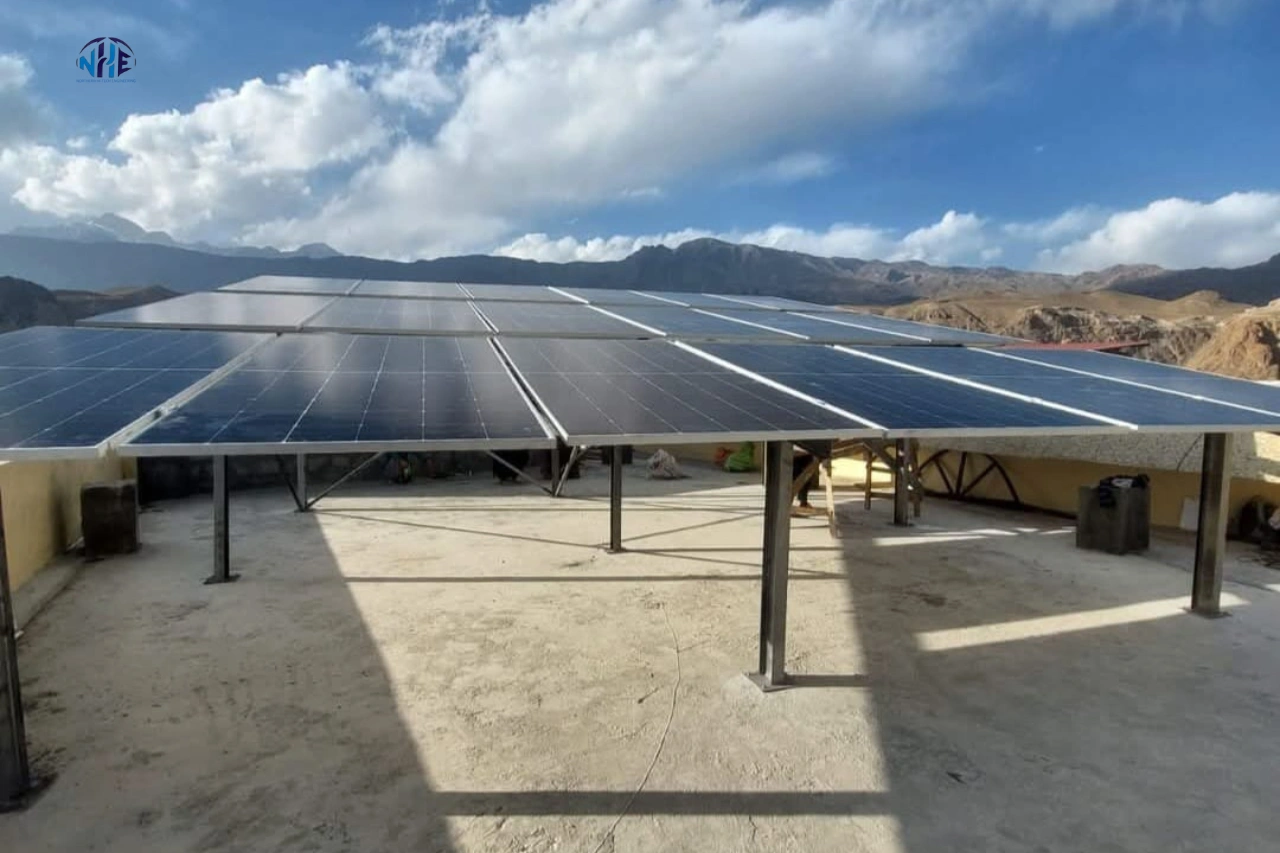
What is solar energy? It is the energy harnessed from the sun’s light and heat, used to generate electricity or heat water. Solar energy is a clean, renewable source that reduces reliance on fossil fuels, lowers energy costs, and helps combat climate change. As technology advances, solar energy continues to grow as a sustainable energy solution for homes, businesses, and communities worldwide.
Introduction
With rising energy costs and increasing concern about climate change, many people are looking for alternative sources of energy. One of the most promising and sustainable solutions is solar energy. But what exactly is solar energy, and why is it so important today? In this article, we will explain what solar energy is, how it works, and why it is an essential part of our energy future. By the end of this post, you’ll understand the benefits of solar energy, the technology behind it, and how it can power homes and businesses sustainably.
Understanding Solar Energy
What Is Solar Energy?
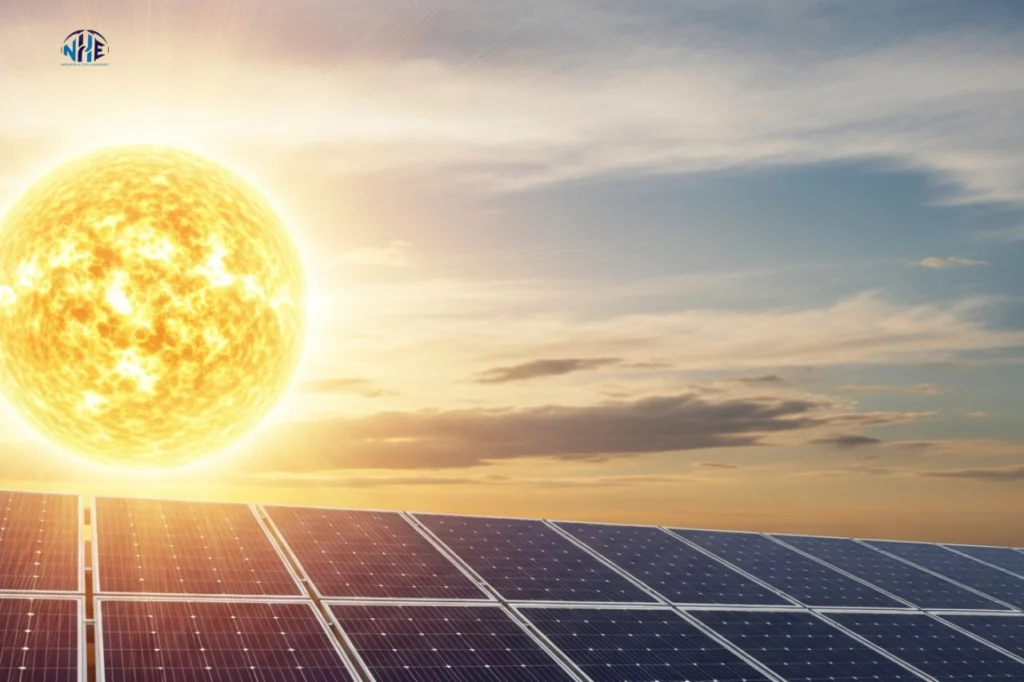
Solar energy is the energy we harness from the sun’s light and heat. It is a renewable energy source, meaning it doesn’t deplete over time, unlike fossil fuels. Solar energy can be converted into electricity or heat through various technologies such as photovoltaic (PV) systems and solar thermal systems.
Why is solar energy important?
- It’s a clean energy source, producing no greenhouse gases during operation.
- Solar energy is abundant; the sun provides more energy to the Earth in one hour than the world consumes in a year.
- It offers energy independence, reducing reliance on fossil fuels and boosting sustainability.
History and Evolution of Solar Technology
Solar energy technology has evolved significantly over the past century. The idea of harnessing the sun’s energy dates back to ancient civilizations, but the first practical solar cell was developed in the 1950s. Since then, advancements in solar technology have made it more efficient and affordable, leading to widespread adoption of solar power worldwide.
How Solar Energy Works
Solar Radiation: Nature’s Power Source
The sun emits energy through nuclear fusion in its core. This energy travels to Earth in the form of light and heat. When sunlight hits solar panels, the energy is converted into electricity through a process called the photovoltaic effect. In solar thermal systems, sunlight is used to heat water or air, which can then be used for heating buildings or generating power.
Main Solar Energy Technologies
Photovoltaic (PV) Systems
Photovoltaic systems are the most common method of converting solar energy into electricity. These systems use solar panels made up of many solar cells. When sunlight strikes the panels, the solar cells convert it into direct current (DC) electricity, which is then converted into alternating current (AC) electricity using an inverter.
Key Benefit:
- PV systems can be used for both residential and commercial applications, from rooftop installations to large solar farms.
Solar Thermal (Heat) Technologies
Solar thermal systems use sunlight to heat water or air, which can then be stored or used directly for various applications, including space heating and hot water production. These systems are commonly used in both homes and businesses.
Concentrating Solar Power (CSP)
Concentrating Solar Power (CSP) systems use mirrors or lenses to focus sunlight onto a small area, typically a receiver, which then generates heat. This heat is used to produce electricity in a conventional steam turbine or engine.
Common Use:
- CSP is generally deployed in large-scale utility plants and is ideal for areas with consistent sunlight.
Solar Energy Applications
Residential and Commercial Solar Use
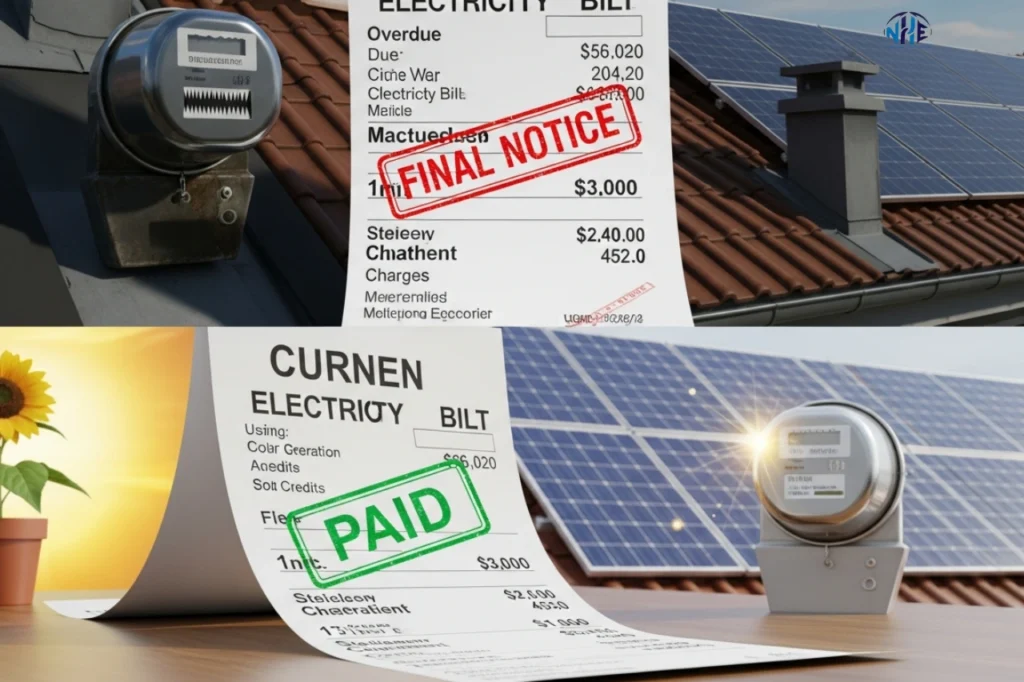
Solar energy is increasingly being used to power homes and businesses. Residential solar panels can offset a significant portion of a household’s electricity bill, especially when combined with battery storage systems that store excess energy for nighttime use. Commercial buildings are also turning to solar to reduce energy costs and enhance their sustainability efforts.
Utility‑Scale Solar Farms
Utility-scale solar farms consist of large solar panel arrays that generate electricity for the grid. These solar farms can be found in regions with large, open spaces and abundant sunlight. The energy produced is fed into the electricity grid, providing power to homes and businesses.
Off-Grid & Remote Solar Solutions
In remote areas, solar power is often used as a primary energy source. Off-grid solar systems provide electricity to homes and communities that aren’t connected to the main power grid. These systems typically use a combination of solar panels, batteries, and inverters to provide power reliably.
Benefits of Solar Energy
Economic Benefits
- Lower energy bills: Solar power reduces the cost of electricity, especially in areas where electricity prices are high.
- Job creation: The solar industry has created millions of jobs worldwide, from installation technicians to engineers.
Environmental Benefits
- Zero emissions: Solar energy generation produces no emissions, making it one of the cleanest energy sources.
- Reduced reliance on fossil fuels: Solar power reduces the need for coal, oil, and natural gas, helping to curb global warming.
Social and Global Impacts
- Energy access: Solar energy helps provide electricity to remote or underdeveloped regions, improving living standards.
- Sustainability: By relying on a renewable energy source, solar energy helps ensure a sustainable energy future for generations to come.
Challenges and Misconceptions
Intermittency and Storage
One of the main challenges with solar energy is that it is intermittent — the sun doesn’t shine all the time. However, solar energy storage systems, such as batteries, can store excess energy during the day for use at night or during cloudy periods.
Cost and Installation Barriers
Although the cost of solar panels has decreased significantly in recent years, installation can still be expensive. However, incentives such as solar tax credits and financing options make solar energy more affordable for many people and businesses.
Solar Energy Market and Trends
Global Growth and Capacity Data
The global solar energy market has been expanding rapidly. According to the International Energy Agency (IEA), solar power is set to become the largest source of electricity globally by 2027. Countries around the world are investing in solar to meet energy demands and reduce carbon emissions.
Industry Leaders and Innovators
Companies like First Solar, SunPower, and Tesla are leading the charge in solar technology innovation. These companies are not only improving the efficiency of solar panels but also developing new solutions like solar roof tiles and integrated battery systems.
Policy & Incentives
Governments worldwide are offering incentives to encourage the adoption of solar energy. Programs such as the Investment Tax Credit (ITC) in the U.S. provide significant financial support for homeowners and businesses who want to install solar panels.
Ready to harness solar energy for your home or business?
FAQs About Solar Energy
What is the difference between solar energy and solar power?
Solar energy refers to the energy from the sun, while solar power is the actual conversion of that energy into electricity or heat.
Is solar energy worth the cost?
Yes,With decreasing costs and available incentives, solar energy offers long-term savings on electricity bills.
How long do solar panels last?
Solar panels typically last 25–30 years, with warranties often covering performance for that duration.
Can solar energy fully power a home?
Yes, a well-designed solar system can fully power a home, especially with battery storage.
How is solar energy stored?
Solar energy is stored using batteries that store excess energy for later use.